

The evolution of gambling A journey through history and culture
The Origins of Gambling
The roots of gambling can be traced back thousands of years, with evidence appearing in ancient civilizations such as Mesopotamia, China, and Egypt. Archaeological findings reveal that dice made from animal bones were used as early as 3000 BCE, indicating a form of chance-based entertainment. Similarly, the ancient Chinese created a rudimentary lottery system called “keno,” aimed at raising funds for the military and public projects. These early forms of gambling laid the groundwork for the diverse practices we see today. Additionally, many players today might enjoy the offerings at https://kinghills.app for a modern twist on this ancient pastime.
In ancient Rome, gambling became a popular pastime among all social classes. The Romans embraced a variety of games, including dice games and betting on gladiator fights. Laws were established both to regulate gambling and to curb excesses. While these regulations indicate societal concerns about gambling, they also reflect its deep-rooted appeal across different levels of society. The blending of chance and skill in these early games became a blueprint for the gambling practices that would evolve in subsequent eras.
The transition from informal games to more structured systems occurred in the Middle Ages. With the rise of the aristocracy, gambling took on a more organized form. Card games became increasingly popular in Europe during this period, setting the stage for modern card games like poker and blackjack. As gambling transitioned into more formal settings, social norms began to shape gambling culture, influencing perceptions and regulations that would emerge later.
The Rise of Casinos
The modern concept of casinos can be traced back to the 17th century in Italy, where the first gambling houses began to appear. The term “casino” itself derives from the Italian word for “little house,” signifying a place for entertainment. These establishments offered a range of games, catering to the growing appetite for structured gambling experiences. Over the centuries, the casino model spread throughout Europe, particularly in cities like Monte Carlo and Paris, becoming synonymous with luxury and high society.
The 19th century saw a surge in the popularity of casinos, particularly in the United States. The opening of the first official casino in New Orleans in 1822 marked a significant point in gambling history. As the Gold Rush attracted thousands to the West, towns like San Francisco became hotspots for gambling, leading to the establishment of elaborate gaming halls. The architecture of these casinos began to reflect their opulence, with ornate designs that appealed to the wealthy clientele of the time.
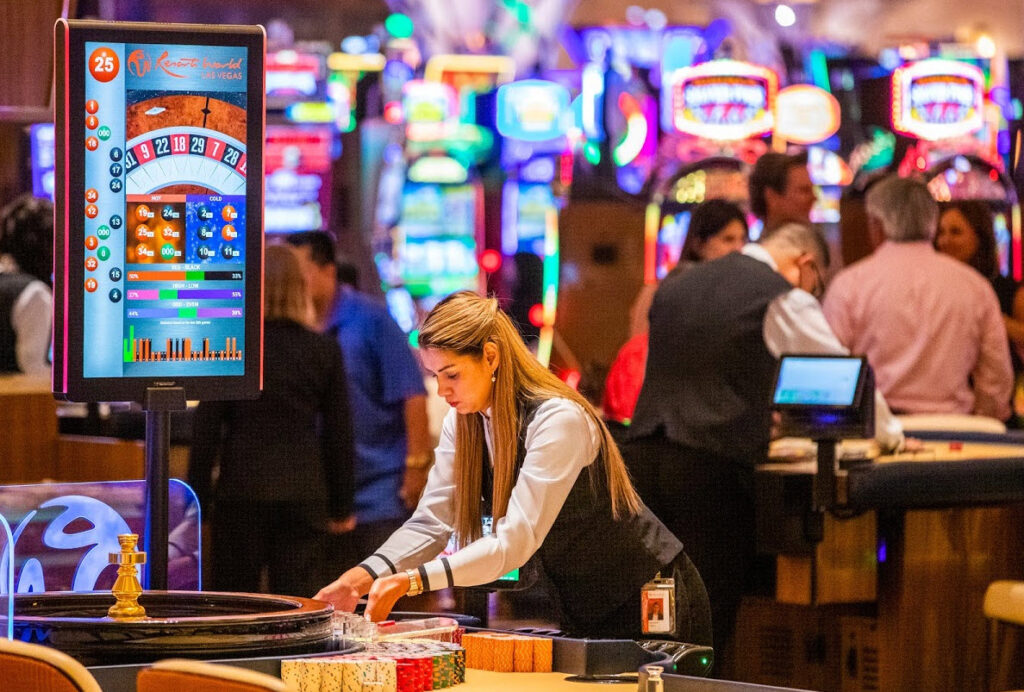
As the 20th century approached, the casino landscape evolved dramatically. The introduction of gaming regulations helped establish legitimacy and safety within the industry. Las Vegas emerged as a central hub for gambling culture, with lavish resorts offering a myriad of gaming options. This period also saw the development of new games and technology, further transforming the gambling experience. By fusing entertainment and leisure, casinos became destinations for not just gaming, but also dining, shows, and social gatherings.
Cultural Significance of Gambling
Gambling has always held a significant cultural place across societies. In many cultures, games of chance symbolize risk, luck, and fortune, often intertwining with local traditions and rituals. In Asian cultures, for instance, gambling is not just a form of entertainment; it is an integral part of festivals and family gatherings. The Chinese New Year features games and activities that embody the spirit of luck and prosperity, showcasing the role of gambling in cultural celebrations.
In Western cultures, the portrayal of gambling in literature and film has further cemented its place in societal narratives. From the high-stakes games of James Bond to the gritty reality depicted in films like “Casino,” these representations reflect both the allure and the pitfalls of gambling. This duality speaks to a broader human experience of risk-taking, revealing societal attitudes towards luck and chance.
Moreover, the increasing acceptance of online gambling has expanded cultural dialogues about gambling in contemporary society. As more people engage with digital platforms, gambling is becoming more accessible and mainstream. This shift presents both opportunities and challenges, inviting ongoing discussions about responsible gambling, regulation, and cultural perceptions in an ever-evolving landscape.
The Digital Transformation of Gambling
The advent of the internet has revolutionized the gambling industry, transforming how games are played and experienced. Online casinos emerged in the late 1990s, offering players the chance to gamble from the comfort of their homes. This technological shift not only expanded the audience but also diversified the gaming options available. Players can now enjoy everything from traditional table games to innovative slot machines with immersive graphics and themes.
The rise of mobile gaming has further accelerated this transformation. With the proliferation of smartphones, players can engage in gambling activities anytime and anywhere. This convenience has led to an increase in casual gamers who may not have visited a physical casino. Online platforms have also embraced gamification elements, creating loyalty programs and interactive features that enhance user engagement and retention.
However, the digital transformation also comes with challenges, particularly concerning regulation and responsible gambling. As online gambling continues to grow, ensuring player safety and fair practices has become paramount. Regulatory bodies worldwide are adapting to these changes, striving to create environments that protect players while allowing the industry to thrive. This balancing act will be crucial for the future of gambling culture.

KingHills Casino: A Modern Gaming Experience
As the gambling landscape continues to evolve, platforms like KingHills Casino represent the modern shift towards accessible and engaging gaming experiences. Tailored specifically for UK players, KingHills offers an expansive library of over 800 games, featuring titles from leading software providers. This diverse selection ensures that players can find games that resonate with their interests, whether they prefer classic table games or innovative slots.
KingHills Casino prioritizes user experience with a streamlined interface that allows easy navigation. New players are welcomed with a generous bonus, enhancing their initial gaming experience. This commitment to player satisfaction is reflected in their robust support system, designed to assist users with any inquiries or concerns, ensuring a seamless experience from start to finish.
With a strong emphasis on safety and responsible gaming, KingHills operates under strict regulations set by the UK Gambling Commission. This focus on security reinforces the integrity of the gaming environment, allowing players to enjoy their favorite games without concerns. As the gambling world continues to transform, platforms like KingHills Casino stand at the forefront, offering a blend of tradition and innovation for modern gamers.